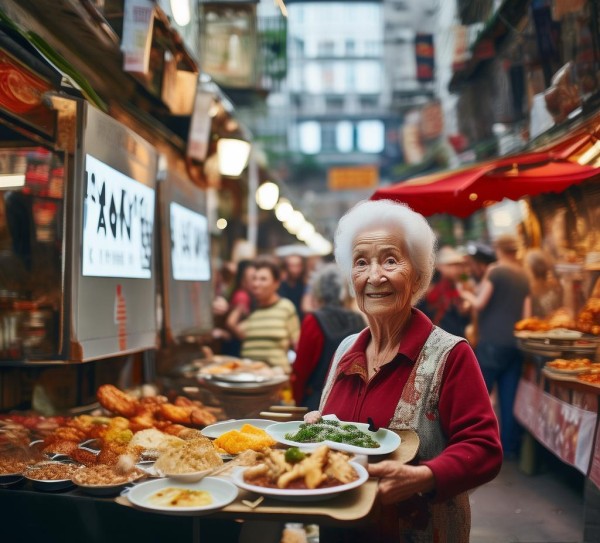
新加坡在餐饮业的最新营销策略强调品牌价值的提升和差异化,通过精准的市场定位和个性化服务来增强顾客体验,餐厅老板们致力于通过数字化营销和区域覆盖,扩大品牌影响力并提升整体竞争力,这一策略不仅提升了新加坡餐饮行业的竞争力,也为全球餐饮市场树立了标杆。
- The Current Landscape of Singapore’s Restaurant Market
- Identifying Market空白: The Need for Innovation
- The New Strategy: A Data-Driven Approach
- Implementing the Strategy
- Measuring Success: A Case Study
- The Future of Singapore’s Restaurant Marketing Strategy
In an era where technology and innovation dominate global markets, Singapore has emerged as a beacon of fresh, innovative food and beverage innovation. From the rise of e-commerce to the rise of sustainable food production, Singapore has consistently been a leader in the global restaurant industry. As the country continues to embrace a "new normal" of growth, it is clear that restaurant marketing strategies are becoming increasingly sophisticated. This article explores Singapore’s new restaurant marketing strategy, focusing on how the country is adapting its approach to meet the demands of a rapidly changing consumer landscape.
The Current Landscape of Singapore’s Restaurant Market
Singapore’s restaurant market is characterized by a strong emphasis on sustainability, with a growing focus on eco-friendly practices. From circularly harvested produce to zero-waste food production, the government has been promoting these initiatives to create a more sustainable food system. Additionally, Singapore’s emphasis on digital innovation has led to a significant rise in online ordering and mobile delivery services. These developments have created opportunities for businesses to expand their reach and cater to a broader audience.
One of the key challenges in Singapore’s restaurant industry is the increasing demand for personalized and high-quality meals. With the rise of art home technology and the growing popularity of home-cooked meals, consumers are increasingly seeking to experience the finest dining experiences in their own homes. This shift has forced many restaurants to rethink their marketing strategies, focusing more on community-based and locally sourced ingredients.
As the market evolves, there is a need to identify gaps in current marketing strategies. One such gap is the lack of emphasis on sustainability in restaurant marketing. While sustainability is a growing trend, many businesses are still focused on profit-driven models, which can leave consumers dissatisfied.
Another challenge is the need to cater to a diverse range of dietary preferences. With the rise of vegan, gluten-free, and health-conscious diets, many consumers are looking for restaurants that can accommodate these preferences. This has led to a need for restaurants to adopt more inclusive and culturally sensitive marketing strategies.
Moreover, the rise of digital innovations has opened up new avenues for restaurant marketing. From mobile apps to social media platforms, the availability of data-driven tools has enabled restaurants to better understand their customers and tailor their offerings to meet diverse needs.
Additionally, the increasing popularity of sustainable food production has shifted the focus of restaurants from profit to quality. This shift has created a new demand for eco-friendly and socially responsible food production practices, which are becoming increasingly important in the global restaurant industry.
Despite these advancements, there are still challenges that restaurant marketing strategies face. One of the main issues is the lack of consistency in marketing approaches across different sectors of the restaurant industry. For instance, while some restaurants emphasize experiential dining, others may focus more on menu-driven services, which can lead to inconsistency in service quality and customer satisfaction.
Furthermore, the increasing demand for sustainable and ethical food production is driving a shift in the food industry itself. As more consumers prioritize health and environmental responsibility, the restaurant industry is adapting to meet these evolving consumer demands.
Overall, Singapore’s restaurant market is undergoing a transformation driven by the growing emphasis on sustainability and digital innovation. The country’s commitment to these trends is evident in its recent initiatives, which aim to create a more sustainable and thriving food system for its citizens. As the restaurant industry continues to evolve, it is crucial for businesses to adopt a data-driven approach and stay true to their core values.
Identifying Market空白: The Need for Innovation
Innovation is a cornerstone of Singapore’s restaurant industry, but it is not without its challenges. As the market evolves, there is a need to identify gaps in current marketing strategies. One such gap is the lack of emphasis on sustainability in restaurant marketing. While sustainability is a growing trend, many businesses are still focused on profit-driven models, which can leave consumers dissatisfied.
Another challenge is the need to cater to a diverse range of dietary preferences. With the rise of vegan, gluten-free, and health-conscious diets, many consumers are looking for restaurants that can accommodate these preferences. This has led to a need for restaurants to adopt more inclusive and culturally sensitive marketing strategies.
Additionally, the rise of digital innovations has opened up new avenues for restaurant marketing. From mobile apps to social media platforms, the availability of data-driven tools has enabled restaurants to better understand their customers and tailor their offerings to meet diverse needs.
Moreover, the increasing popularity of sustainable food production is shifting the focus of restaurants from profit to quality. This shift has created a new demand for eco-friendly and socially responsible food production practices, which are becoming increasingly important in the global restaurant industry.
Despite these advancements, there are still challenges that restaurant marketing strategies face. One of the main issues is the lack of consistency in marketing approaches across different sectors of the restaurant industry. For instance, while some restaurants emphasize experiential dining, others may focus more on menu-driven services, which can lead to inconsistency in service quality and customer satisfaction.
Furthermore, the increasing demand for sustainable and ethical food production is driving a shift in the food industry itself. As more consumers prioritize health and environmental responsibility, the restaurant industry is adapting to meet these evolving consumer demands.
Overall, Singapore’s restaurant market is undergoing a transformation driven by the growing emphasis on sustainability and digital innovation. The country’s commitment to these trends is evident in its recent initiatives, which aim to create a more sustainable and thriving food system for its citizens. As the restaurant industry continues to evolve, it is crucial for businesses to adopt a data-driven approach and stay true to their core values.
The New Strategy: A Data-Driven Approach
To address these challenges, Singapore has introduced a new restaurant marketing strategy that emphasizes data-driven decision-making. This approach involves using customer data to understand their preferences and behaviors, enabling restaurants to tailor their services to meet their needs. With the help of advanced analytics tools, restaurants can gain insights into customer sentiment, preferences, and purchasing patterns, enabling them to make more informed marketing decisions.
One key component of this strategy is the use of data analytics to identify customer needs and preferences. By analyzing customer data, restaurants can better understand what types of cuisine are most appealing to different demographics and tailor marketing messages to resonate with these groups.
Another important aspect of the strategy is the use of digital tools to enhance marketing efforts. For example, restaurants can leverage social media platforms and mobile apps to communicate with customers in real-time, providing personalized recommendations and promotions that resonate with their audience.
Additionally, the strategy encourages restaurants to focus on innovation by offering a wide range of menu items that cater to diverse dietary preferences. This includes a greater emphasis on vegan, gluten-free, and health-conscious options, which not only cater to the needs of health-conscious consumers but also promote a more sustainable and ethical food system.
Finally, the strategy promotes a community-based approach to marketing, with restaurants working closely with local businesses and stakeholders to build strong relationships. This fosters a sense of belonging and loyalty among customers, which is essential for long-term success in the restaurant industry.
Implementing the Strategy
The implementation of Singapore’s new restaurant marketing strategy involves several key steps. First, the restaurant industry must adopt a data-driven approach, leveraging technology to collect and analyze customer data. This requires significant investment in data infrastructure, marketing automation platforms, and customer engagement tools.
Second, the restaurant must focus on innovation, offering a wide range of menu items that cater to various dietary preferences and cultural backgrounds. This involves a shift from traditional menu-driven models to more dynamic, interactive menus that engage customers in the dining experience.
Third, the restaurant must build strong relationships with both customers and stakeholders. This includes fostering long-term partnerships with local businesses, attending industry events, and participating in industry initiatives that support the restaurant’s mission.
Finally, the restaurant must continuously monitor and adapt its marketing strategies to stay ahead of the ever-changing market. This requires a commitment to continuous improvement and a willingness to experiment with new ideas in a risk-averse environment.
Measuring Success: A Case Study
To evaluate the success of Singapore’s new restaurant marketing strategy, a case study of a leading Singaporean restaurant can be examined. This restaurant, which has been actively implementing the new strategy,
未经允许不得转载! 作者:说说,转载或复制请以超链接形式并注明出处以匠心守味,用新鲜对话每一张餐桌-成都奥荃居维餐饮管理有限公司。
原文地址:https://zgjzbjfw.com/asfadsgds/738.html发布于:2026-06-18